
Hangar rat to professional displays – my early years

My first flight was in a Miles Gemini and the second trip was a Tiger Moth, both of them part of a small flying club at Biggin Hill. The clubhouse was an original dispersal Nissan hut left over from the halcyon days of 1940. To complete the illusion, there was a lot of sitting around in old armchairs on the grass area in front with the Tiger Moth parked nearby.

Not that I sat around very much. When your task is primarily “hangar rat” there is always something to clean, wipe or sweep up. This was 1963 and I was just a teenager. I didn’t perhaps realise at the time, but the heady cocktail of aircraft sight and sounds, and the strong personalities that flew them, was a major influence in my formative thinking. In other words, I got the ‘bug’ at an early stage and have been ‘suffering’ ever since.

The reward for hard labour was an occasional early morning or evening trip in the Tiger Moth which was then priced at £1/17s/6d per hour (about £1.85 in today’s decimal currency). My Mum and Dad gave me half a crown pocket money a week, which was great for buying gob-stoppers and Cap-Bombs, but wasn’t going to get me anywhere near learning to fly.

The quantum change in opportunity occurred in 1966 with my first visit to the Tiger Club in Redhill. Here was a hangar full of biplanes, French touring machines, single seat Turbulents and other exotic racing aircraft all in amazing rainbow colours, sunburst stripes and sleek designs. I was greeted by fellow hangar rats of similar age and invited by Tony Haig-Thomas to fly in the Jodel Mousquetaire, which seemed like flying an airliner to me.

This was the cradle of sport aviation in the UK at the time, with luminaries from the Royal Aero Club along with City of London executives and serving front line military pilots all piling into the amazing array of then top flight sports aircraft. They’d fly at, over and sometimes around the leafy terrain of Redhill Aerodrome, all non-radio and zero Air Traffic Control. But the atmosphere was electric and the action non-stop from dawn to dusk. Amongst the heroes of the day were Pete Jarvis, Carl Schofield, Manx Kelly, Neil Williams, James Black and Mike Riley. The benefactors were gentlemen of the old school, with Norman Jones and son Michael holding the reins and making damn sure that us tyros learnt to pay attention and do as we were told! But the ability to mix with and participate with these incredible adults, all operating under trust, was how I quickly matured as a young man.

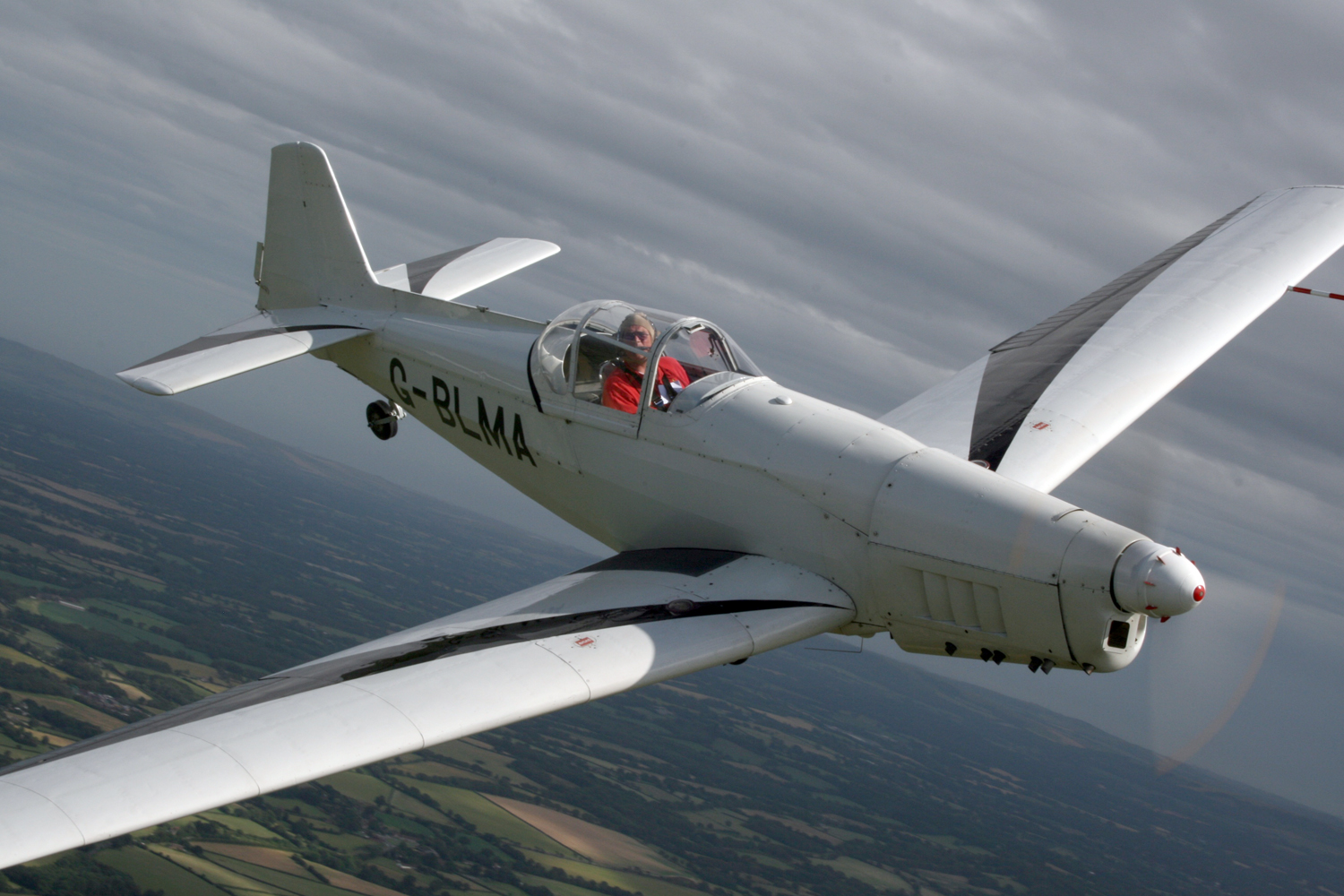
By the time I left school and went to college my unofficial flying log book already had about 250 hours, but still without licence. Fortunately my parents had won a scholarship scheme that was supposed to pay for my Diploma education over a three year period. But in 1972 I discovered the Sportair Training School back at Biggin Hill were operating the Fournier Motor Glider, for training hire at around £5 per hour and £3 for the single seat RF4. With a combination of funds from the scholarship, plus earnings from work, my shiny new PPL was acquired. Fortunately Gordon Franks (MD of Sportair) knew about my years at Redhill and fast-tracked my instructional period so that I could fly solo within 4 hours of starting the course.

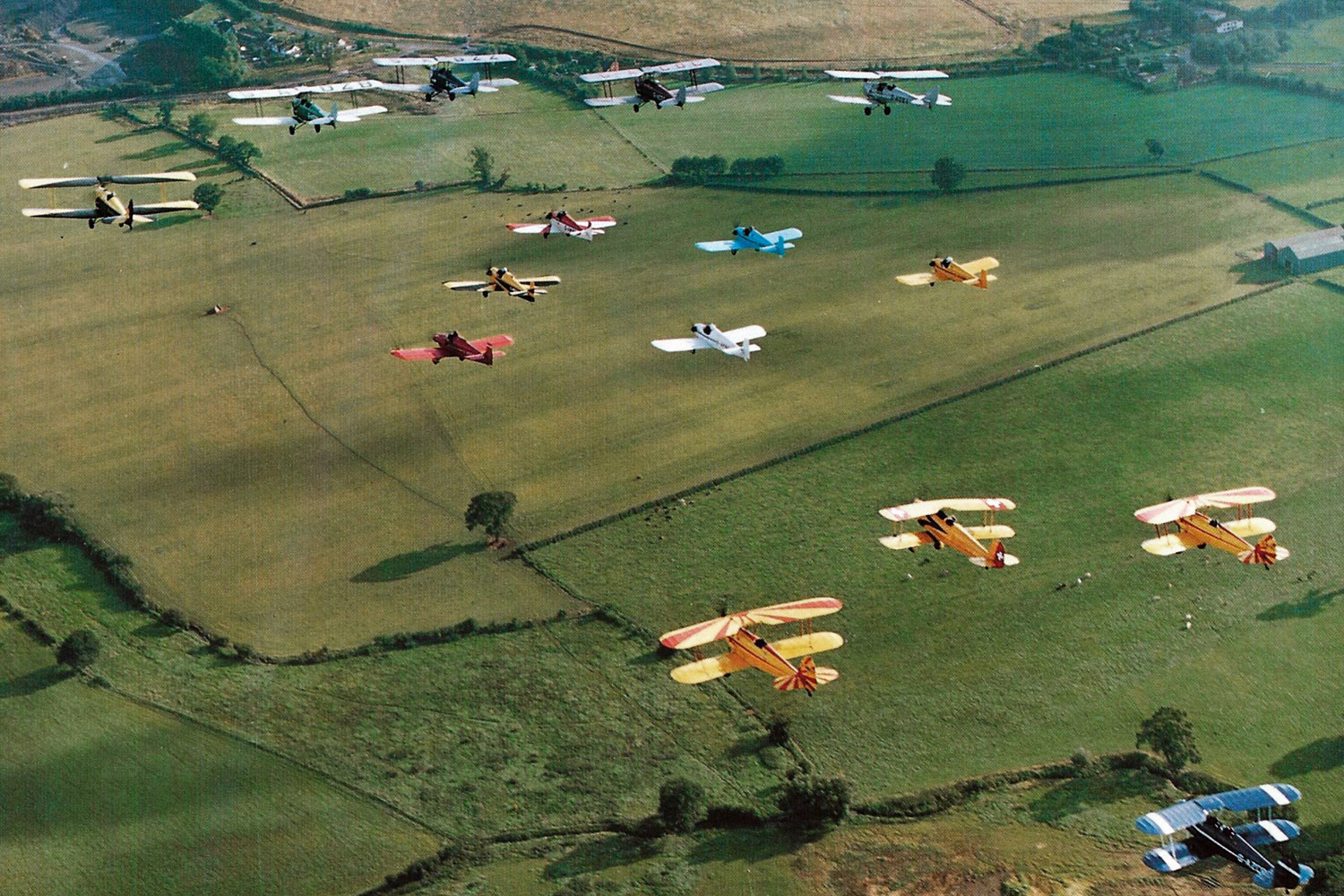
I became involved in all manner of sport flying disciplines, courtesy of the Tiger Club and the annual calendar of display events they organised across the UK and Europe. This included acts like the Stampe Duo, standing-on-the-wing, and a spell as the Turb Team Formation Leader. Other specialities included the Biplane Four and the occasional mass flypast Balbo formations with sixteen aircraft.

The Formula Air Racing Association had successfully launched a season of pylon race events sponsored by Heineken where I was allowed to shoehorn my six foot plus frame into the incredibly snug confines of Formula One aircraft. In fact, the races in Andrew Chadwick’s “White Lightning” Cassutt were only possible for me to fly without shoes or helmet. But Michael Jones let me fly his Rollason Beta “Blue Chip” with reasonable success and a lot more comfort.

By 1977 I was working full time as a Merchant Trading Executive in Holborn. My career pathway was laid out – promotion prospects, expense account and company car. What was not to like? Then along came Philip Meeson to my office one day and said would I fly for him for a provisional three-month tour of France on a new sponsorship contract. Initially this was in a Stampe SV4C with a Renault 4PO5 engine. It took me a week or two to convince parents, girlfriend and others that this was a good idea!

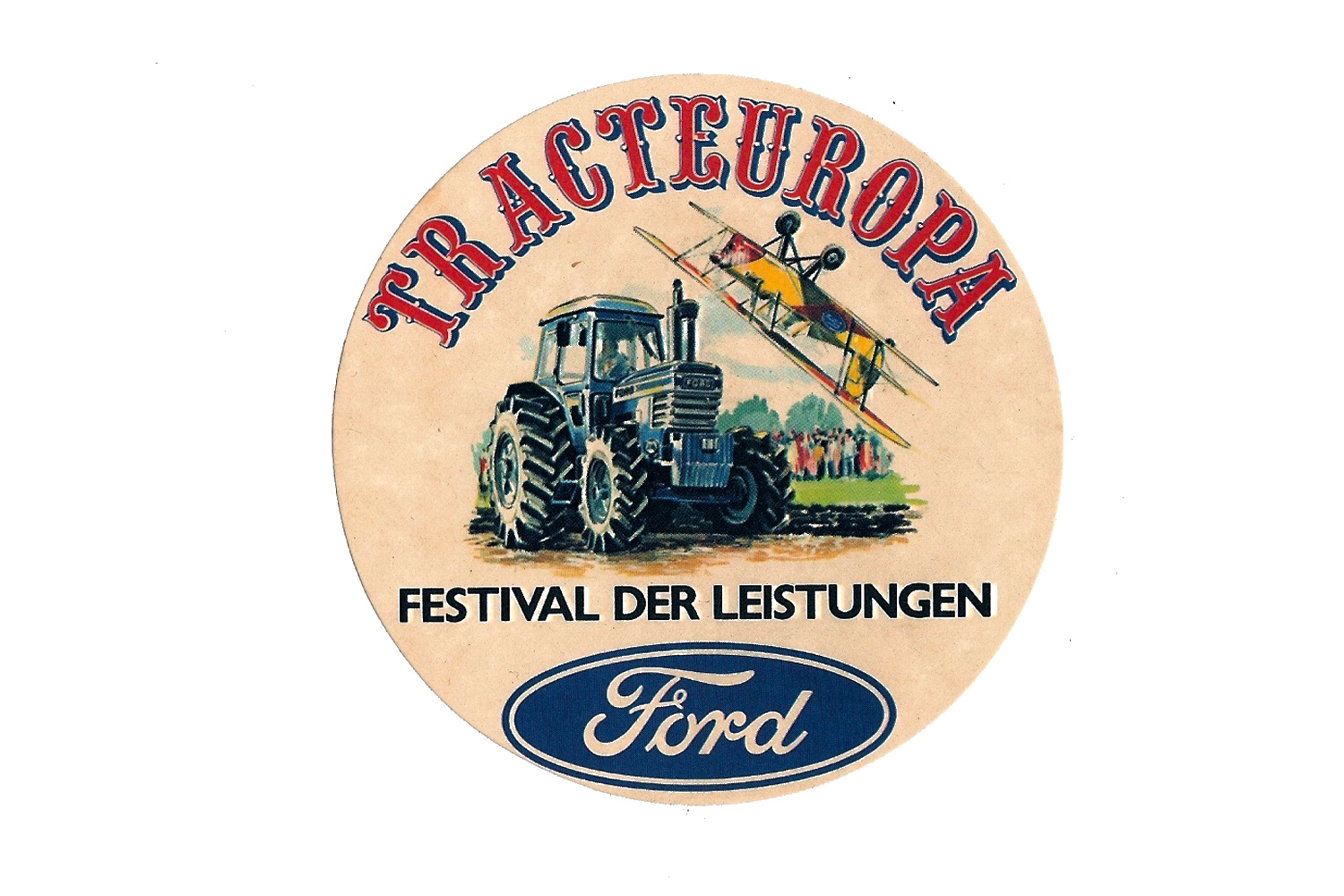
The Ford Motor Company Tractor Division was based in Brussels. The company had launched a new series of tractor vehicles from the smallest 1000 Series up to a magnificent Prairie sized monster with driving wheels taller than me. John Prentice was the Director in charge and came up with the brainchild of incorporating an aerobatic display at each of the rural venues where the demonstration team set up. It proved to be a very effective campaign where members of the agricultural community and associated trade press had something unusual to witness rather than just another ploughing contest!

The Stampe was an excellent example of the type, but I quickly discovered the fragility of the Renault engine operating at full throttle and I still have the bent piece of the camshaft as a souvenir of my first dead stick landing! The temporary hiatus didn’t last long as Philip already had a Pitts S1C in his back pocket. This was quickly mobilised and livered in Ford colours and became the workhorse of what turned out to be a 4 year campaign, starting in March 1977 and finishing in November 1980.

It was by far the most exciting and satisfying tour of my career. It covered most of western Europe, Scandinavia, Iberia, Ireland and some parts of rural England. I might add this was all dead reckoning navigation with only charts, a compass and my watch. My GPS then was actually a Ground Proximity System which started warnings from what I was sitting on!

I had also qualified my commercial licence and Instrument Rating along the way and completed long distance ferry flights in the USA – it was a very busy and fulfilling period.

The winter of 1980 and early 1981 was a graduation and work up with a new three ship formation team operating in familiar Marlboro colours. Philip led in his beloved Pitts S1S (which he still owns) and we had the fun of working with Nigel Lamb in his first display season after leaving Rhodesia. These were matching Pitts S2A and I quickly got used to the idea of corporate and press flights with the attendant dramatic photo opportunities and promotional coverage. Not to mention highly demanding three ship air displays across the UK.

But the ambition grew in the early eighties for me to try and create a new air show concept – something completely different and in contrast to the staple mix of fast jet noise and dynamic aerobatic performers. In April 1982 I went to participate in the McAully Trophy competition at Little Snoring using an RF4. Brendan O’Brien also took his RF4 to the same contest. As is typical of weather conditions at that time of year, it was completely unflyable for the contest to take place. We were asked by the Contest Director to check the cloud base, and Brendan and I promptly took off as a pair and improvised a low-level routine.

The reaction on landing was astounding: everyone there said “wow – that should be worked up as a proper air display”. So that was how the Skyhawks Aerobatic Team concept was born.